I hope that in writing my recipes I come across as flexible. The last thing I would ever want to imply to my readers is that there is one correct way to cook something, or even worse, that following a recipe to the letter is how one yields a good result. Cooking (unlike baking) simply does not work that way.
The most effective way to look at a recipe is to read between the lines for the technique. A technique can be very straightforward, like sauteing or grilling, or more multifaceted, like soup making.
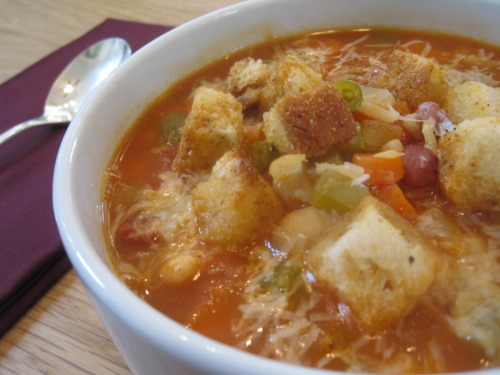
The best advice: start with good-quality recipes from trusted sources. Read through a recipe and its cooking instructions completely before beginning. Think about why things are done the way they are. Using this soup recipe as an example, why saute some of the vegetables first and then add others later? Does it really make a difference?
The vegetables this recipe begins with (onion, carrot & celery) are classic aromatics. These vegetables are a part of thousands of classical recipes and they benefit from cooking, sauteing in particular, because they need direct heat to release their natural sugars. Additionally, these vegetables cannot really be overcooked in a soup preparation because the longer they simmer in the liquid, the more flavorful the broth will become, especially after they have been sauteed.
A soup recipe like this one will yield a very different result that a soup recipe where everything is thrown into a pot with the liquid and simmered. One is not inherently better than the other, but the techniques are entirely different.
All of that said, the most adaptable part of a recipe are the ingredients. No need to get hung up at the grocery store if the asparagus is $6 a pound or mushrooms make you gag or the green beans look like they spent a month in the truck on the way there. Be flexible.
I did my best to write this recipe in a way that will encourage flexibility while highlighting technique. So get out there and make your own unique minestrone soup!
Continue reading →


 RSS - Posts